Birchden Wood
Reimagining environmental monitoring through participatory design, enabling local communities to become active contributors to the stewardship of shared landscapes.
Context
Completed as my final project for the MA Design: Expanded Practice at Goldsmiths, University of London, Birchden Wood explored how participatory design could make environmental monitoring more accessible to local communities.
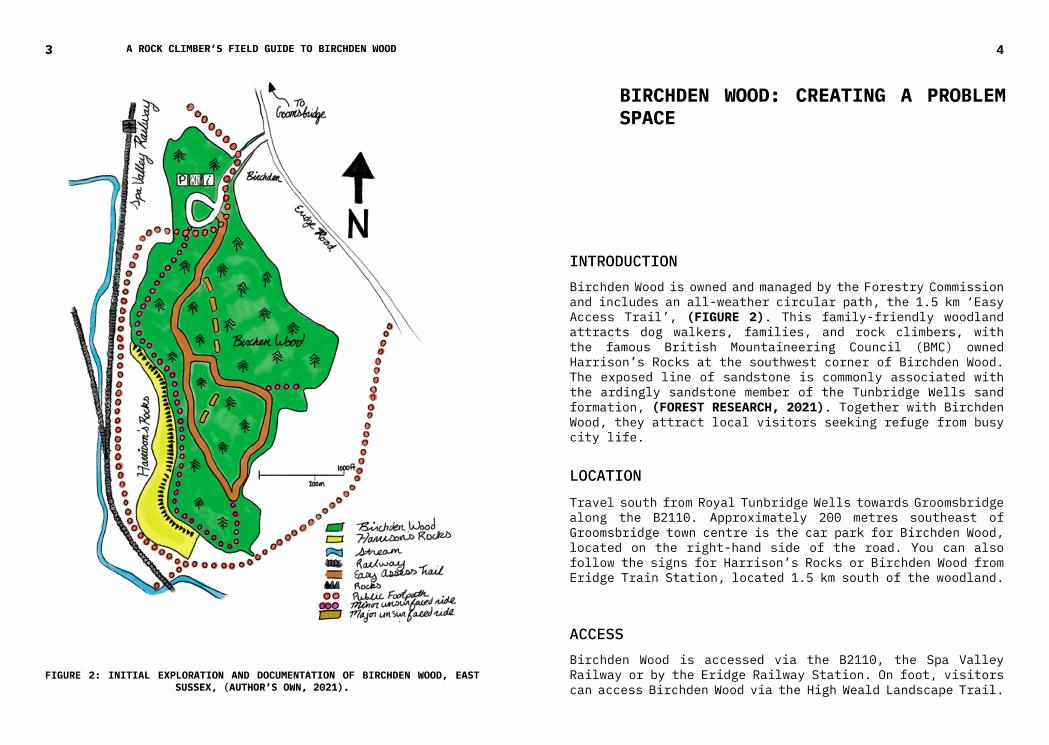
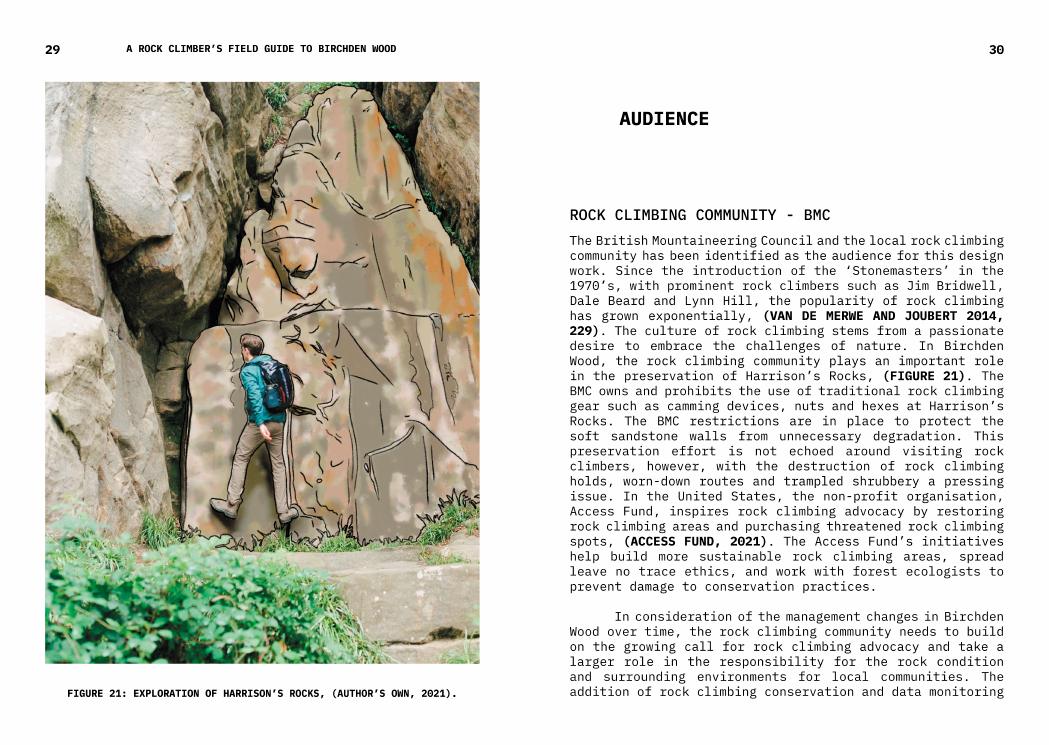
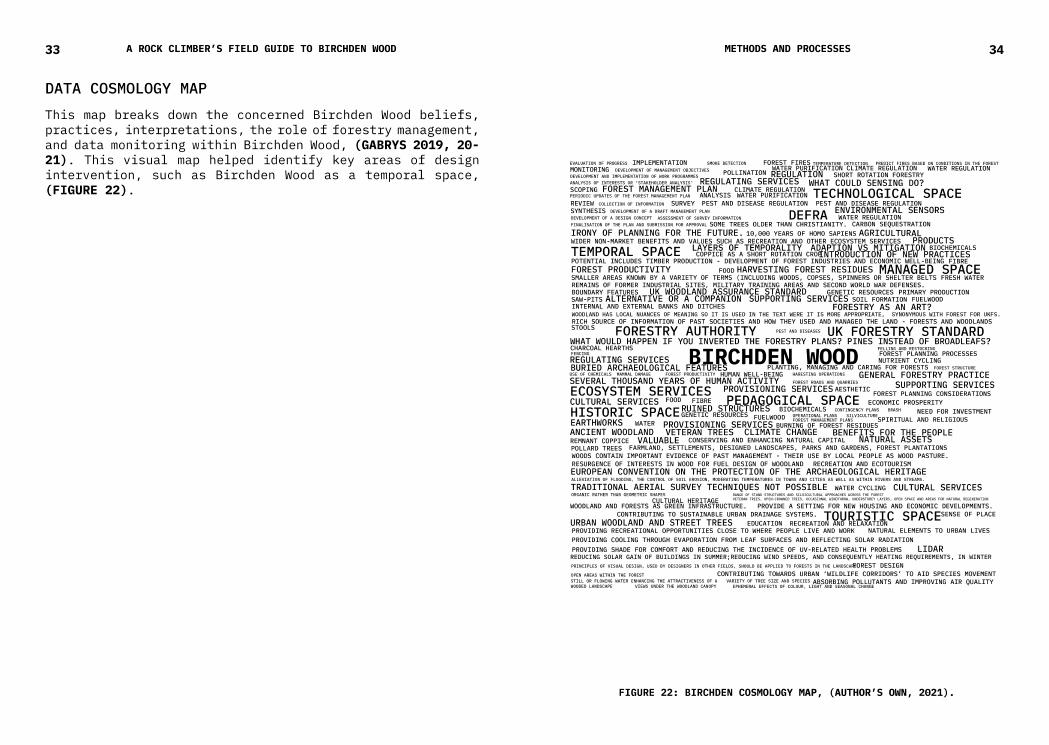
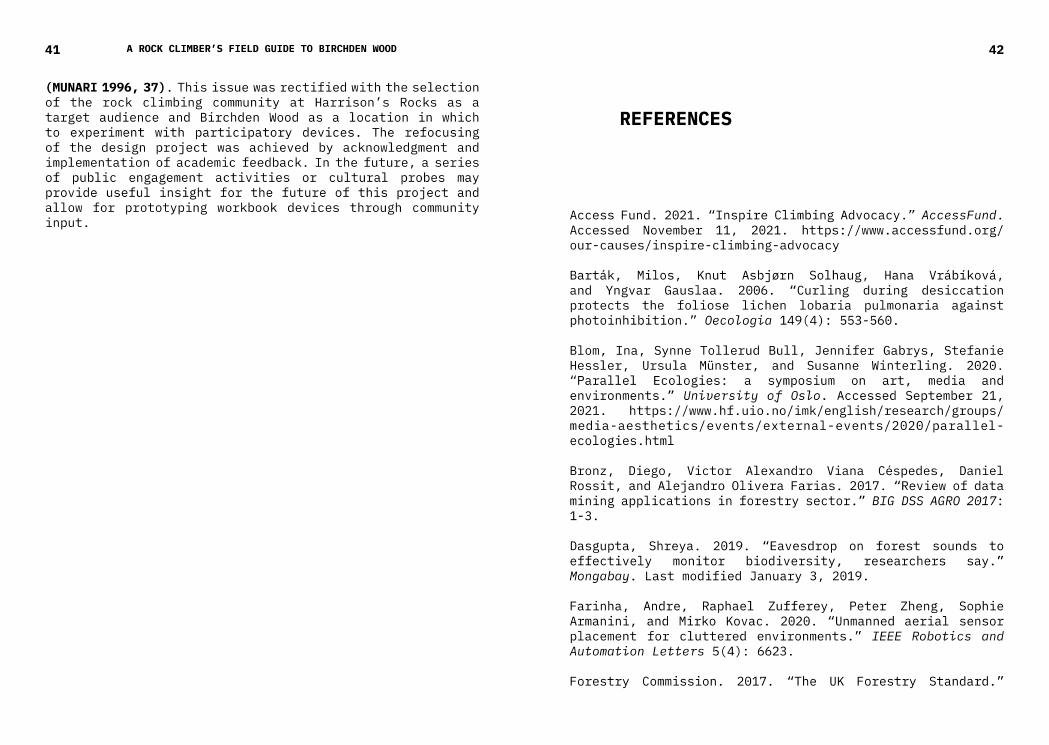
The project focused on Birchden Wood in southeast England, where organisations including the UK Forestry Commission and DEFRA collect extensive environmental data to manage the forest. While this information informs conservation decisions, it is rarely shared with the people who regularly use and care for the landscape, including members of the British Mountaineering Council and climbers at nearby Harrison’s Rocks.
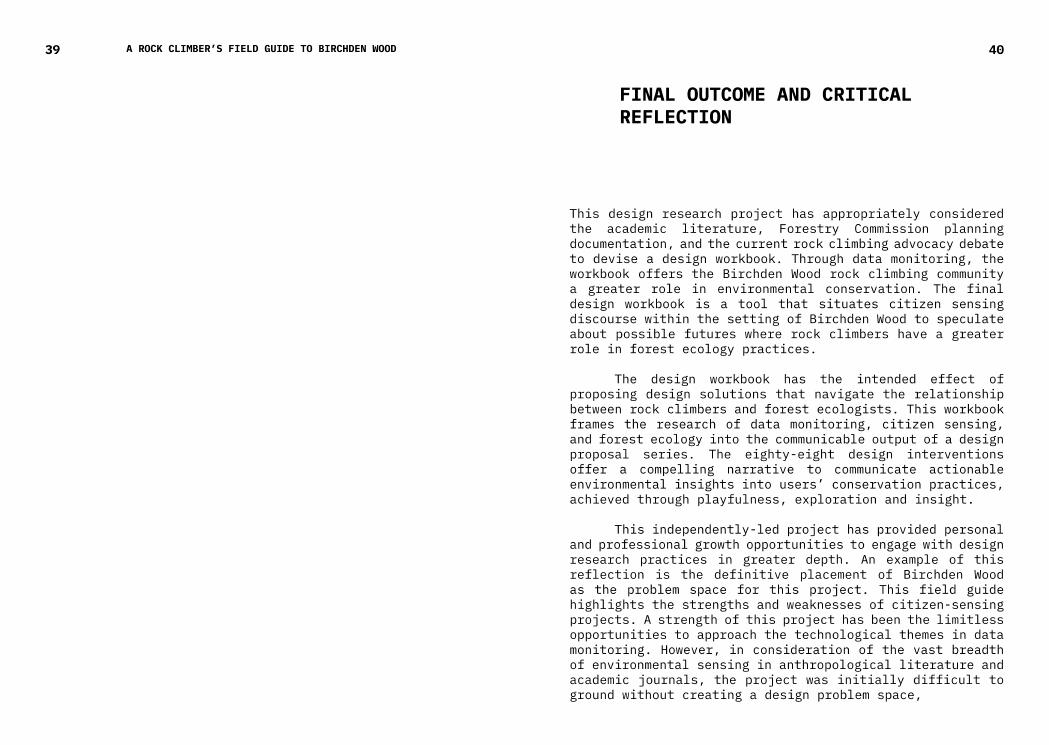
The project proposed a new model of citizen science that enables local users to observe, record, and contribute environmental data through speculative devices and participatory interventions.
Challenge
The project explored the gap between institutional environmental monitoring and public participation.
The challenge was designing tools that encouraged people to engage directly with the management of natural spaces, transforming passive visitors into active contributors while making complex environmental data more approachable and meaningful.
Our Approach
Researching Existing Systems
The project began with field research into existing environmental monitoring methods used by the UK Forestry Commission and DEFRA. Interviews with Forestry Commission representatives, members of the British Mountaineering Council, and local climbers helped identify opportunities for greater public participation.
Designing Participatory Devices
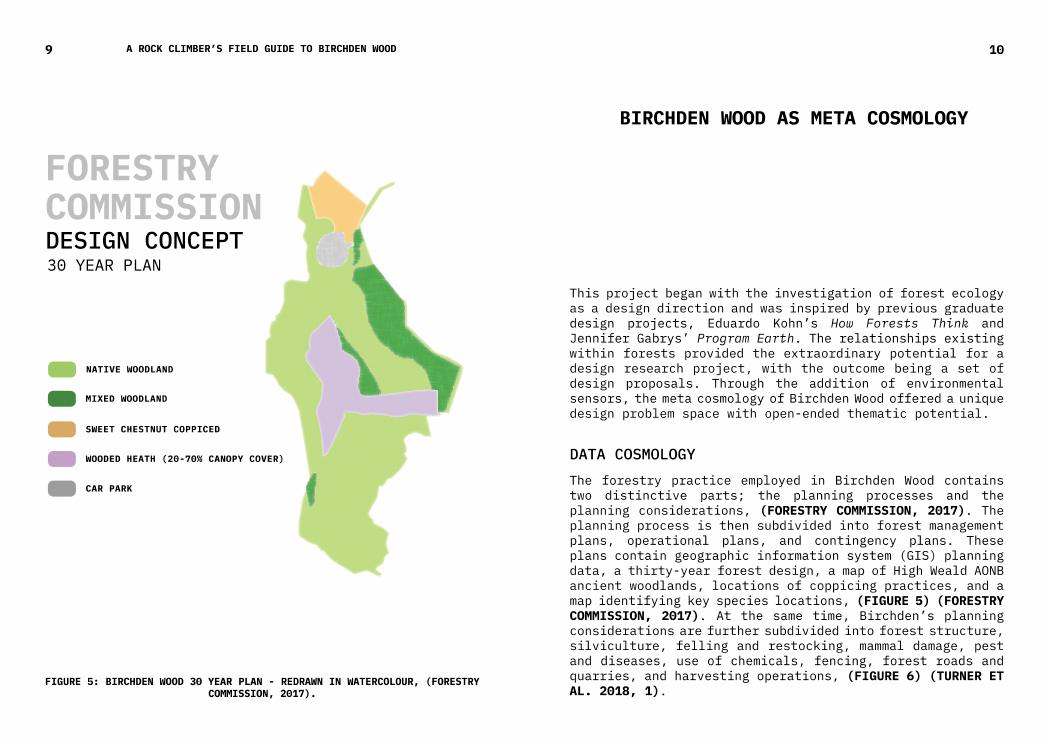
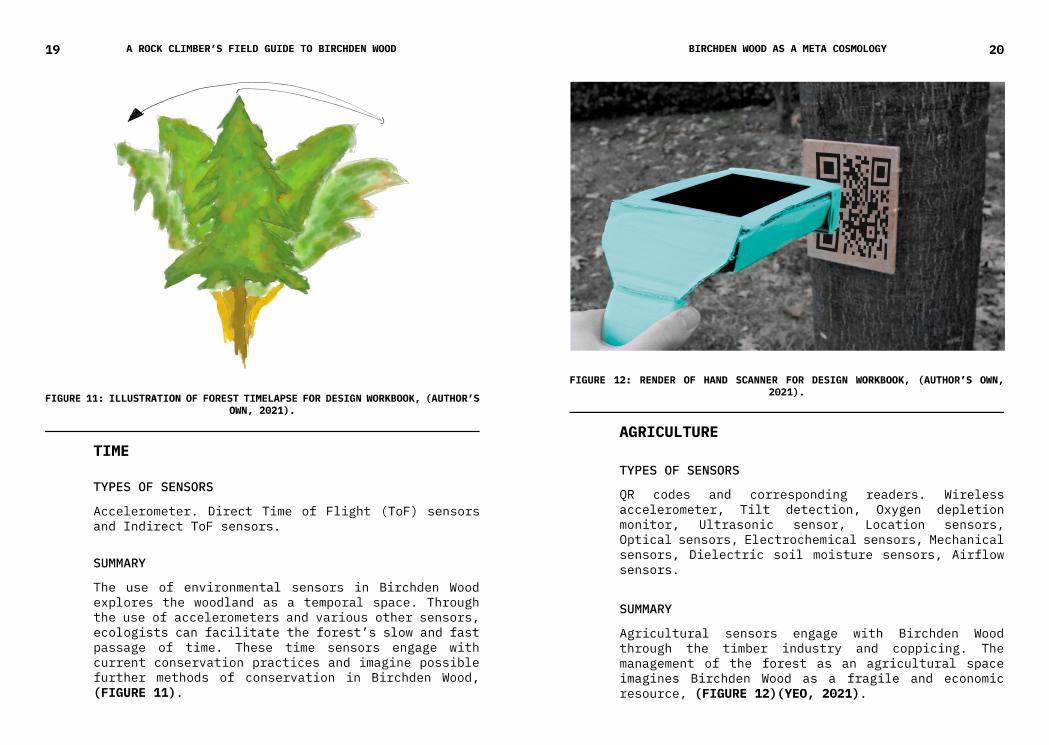
I developed a series of speculative monitoring devices that reinterpreted existing forestry technologies for public use. Rather than replacing institutional systems, the concepts explored how local communities could contribute meaningful environmental observations alongside official data collection.
Developing Research Publications
The project was documented through two printed publications:
- Design Workbook - documenting existing monitoring technologies and speculative design proposals.
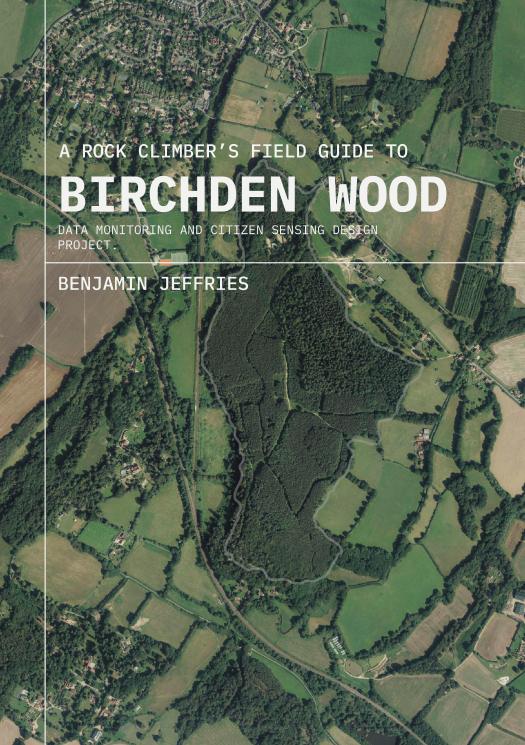
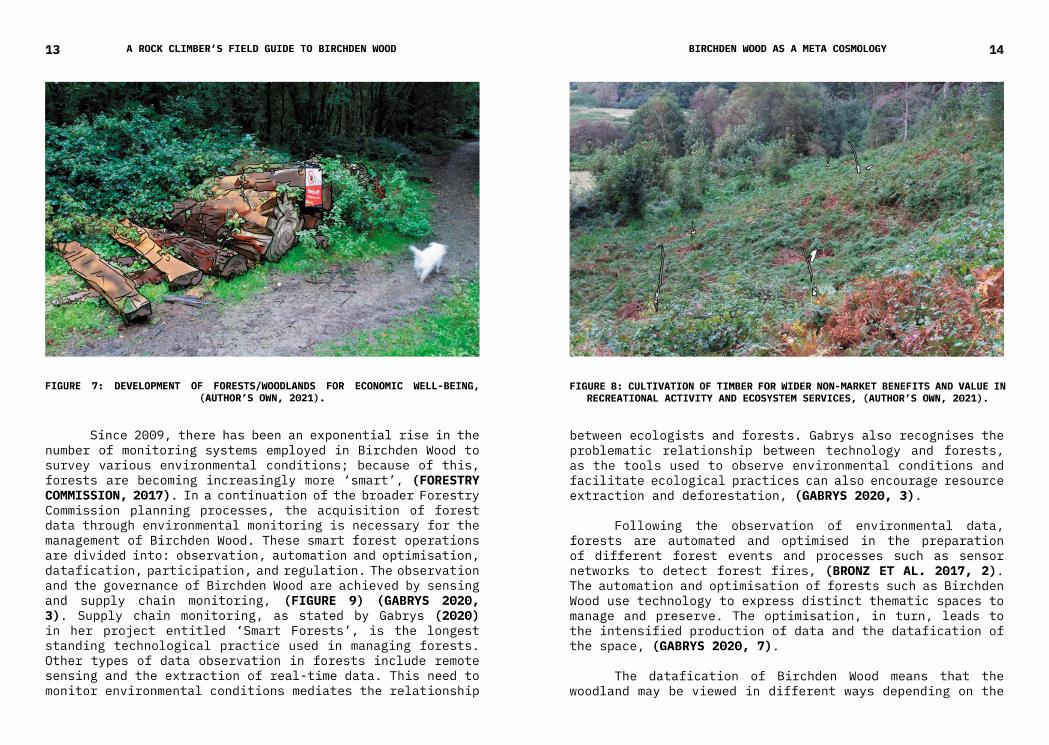
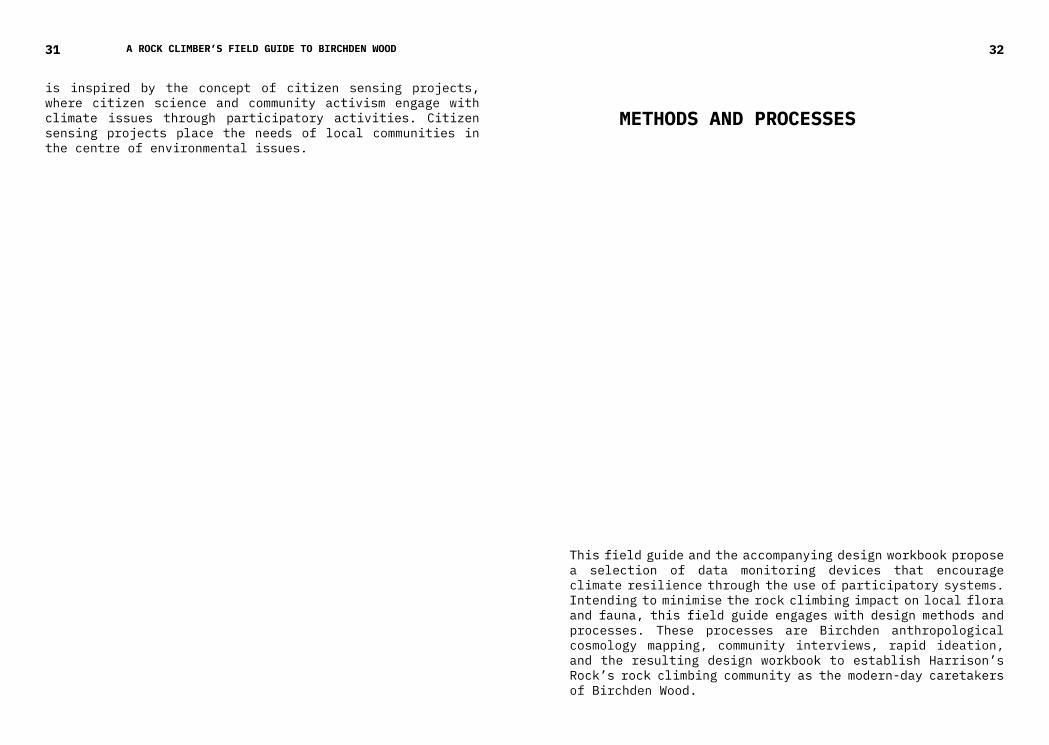
- Field Guide - an A5 companion designed for use on-site within Birchden Wood, encouraging observation and participation.
Both publications were printed on 300gsm recycled paper and hand assembled to reinforce the project’s emphasis on materiality, accessibility, and field research.
Prototyping and Iteration
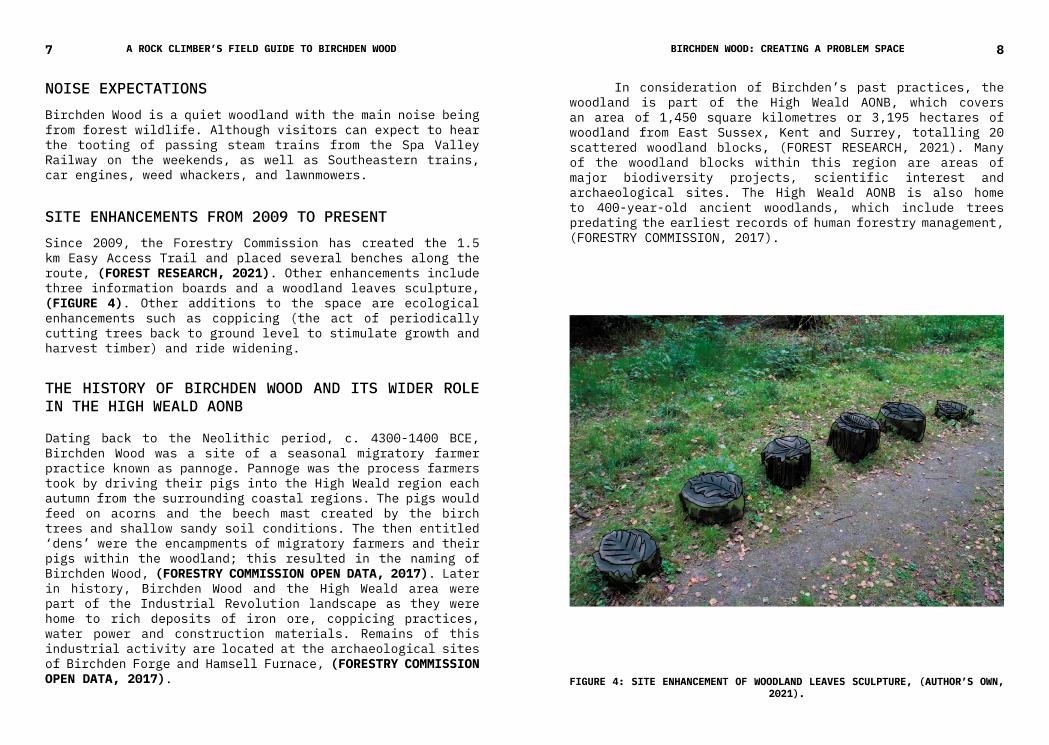
The concepts were refined through observation, rapid prototyping, and iterative testing. Hand-rendered illustrations and diagrams documented each proposal while maintaining the tactile qualities of field-based research.















The Work
Design research into environmental monitoring systems used by the UK Forestry Commission and DEFRA.
Interviews with Forestry Commission staff, British Mountaineering Council members, and local climbers.
Development of speculative participatory monitoring devices.
Creation of the Design Workbook documenting research and design proposals.
Design and production of the Field Guide for on-site participation.
Hand-rendered illustrations, diagrams, and editorial design.
Rapid prototyping and participatory design development.
Impact
Publications
- Design Workbook Research & design proposals
- Field Guide A5 on-site companion