Emotion Recognition
An investigation into how emotion recognition technologies shape digital communication and the limitations of teaching machines to interpret human emotion.
Context
Emotion Recognition was an independent research project completed as part of the MA Design: Expanded Practice at Goldsmiths, University of London.
Developed during the COVID-19 pandemic, the project explored how digital communication platforms mediate emotional interaction. As video conferencing became central to work, education, and social life, the project questioned whether emotion recognition technologies could bridge the growing disconnect between people communicating through screens.
Rather than evaluating the technology itself, the project examined its assumptions, biases, and ability to represent the complexity of human emotion.

Challenge
Video conferencing reduced many of the non-verbal cues that shape face-to-face communication, often leaving interactions feeling detached and emotionally limited.
The challenge was exploring whether emotion recognition systems could restore emotional presence while exposing the ethical, cultural, and technical limitations of reducing human emotion to measurable data.
Our Approach
Exploring Human-Computer Interaction
The project began with a series of mediated interaction experiments, including conversations between people and AI assistants, pre-recorded voices, and automated dialogue systems. These studies examined how technology alters emotional communication.
Mapping Emotional Expression
Using Hupont et al.’s framework of six primary emotions, I photographed and analysed facial expressions from twelve participants. Layering these images created composite visualisations that revealed both shared characteristics and significant variation between individuals.
Prototyping Emotion Recognition
Using Adobe After Effects and facial mesh tracking, I developed an interactive prototype that analysed facial expressions in real time during a recorded tutorial. The prototype classified emotional states while exposing the limitations and ambiguity of automated interpretation.
Communicating Through Visualisation
The project concluded with a video installation combining motion graphics, facial composites, tracking overlays, and recorded interactions to communicate both the possibilities and shortcomings of emotion recognition technologies.
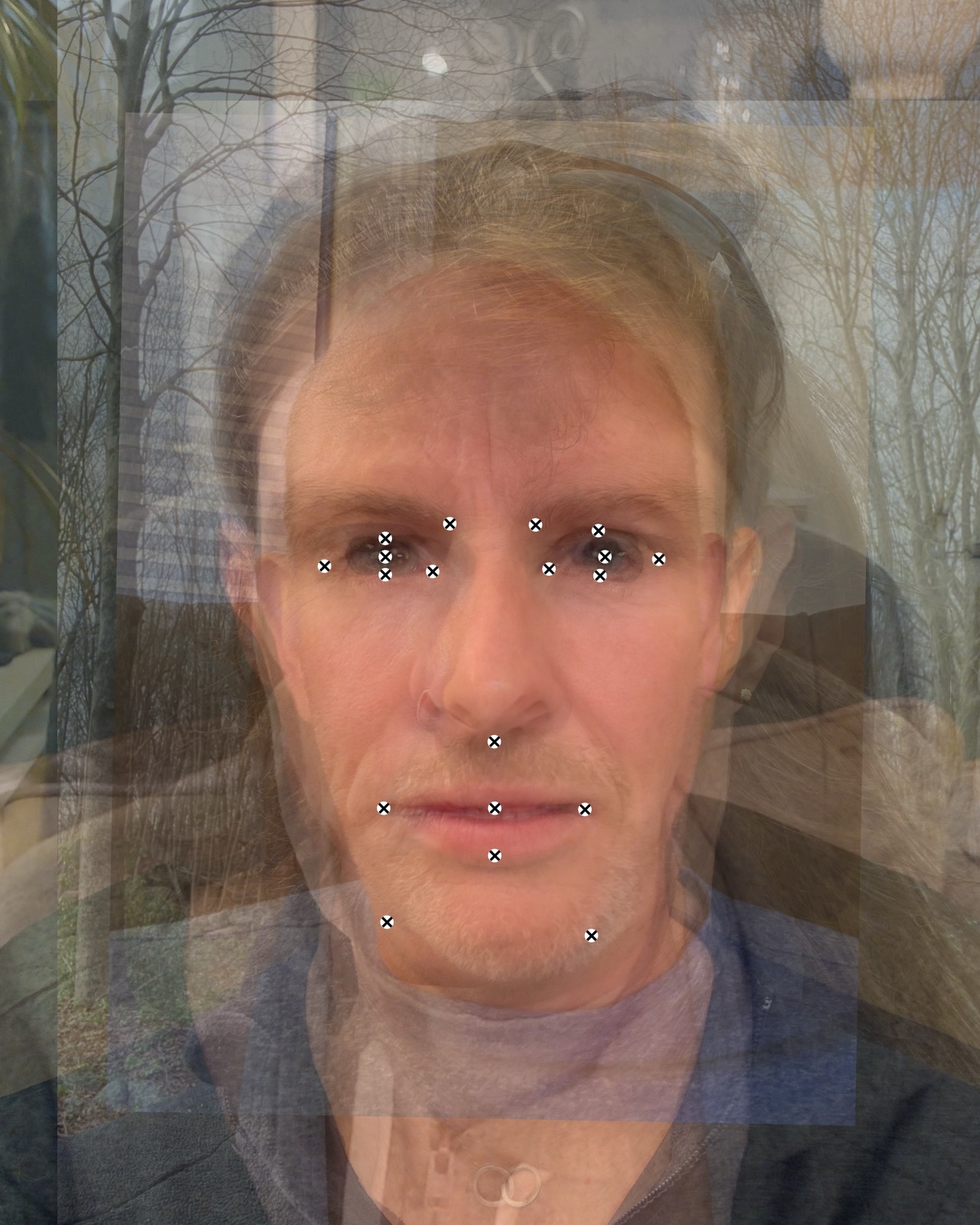 Anger
Anger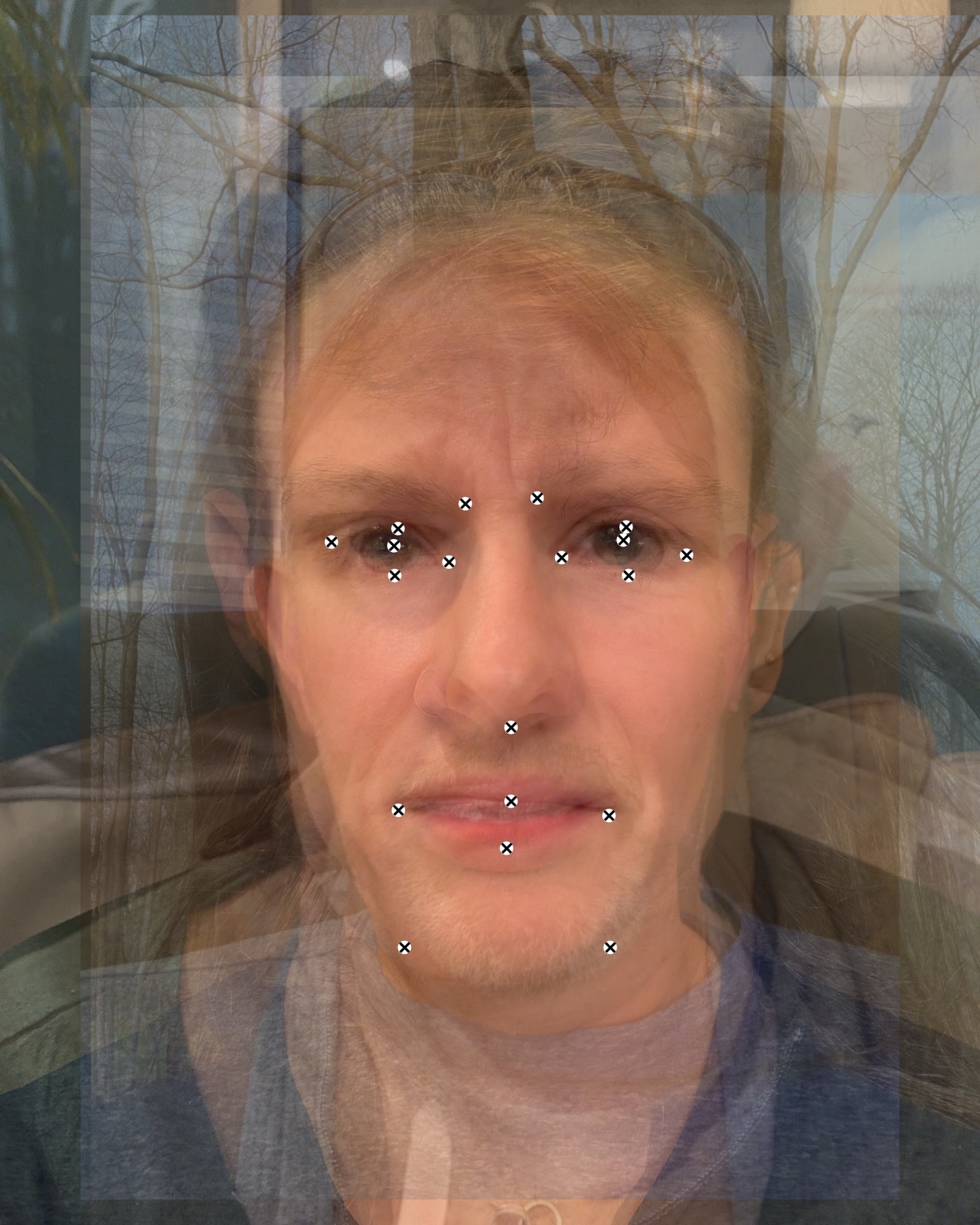 Disgust
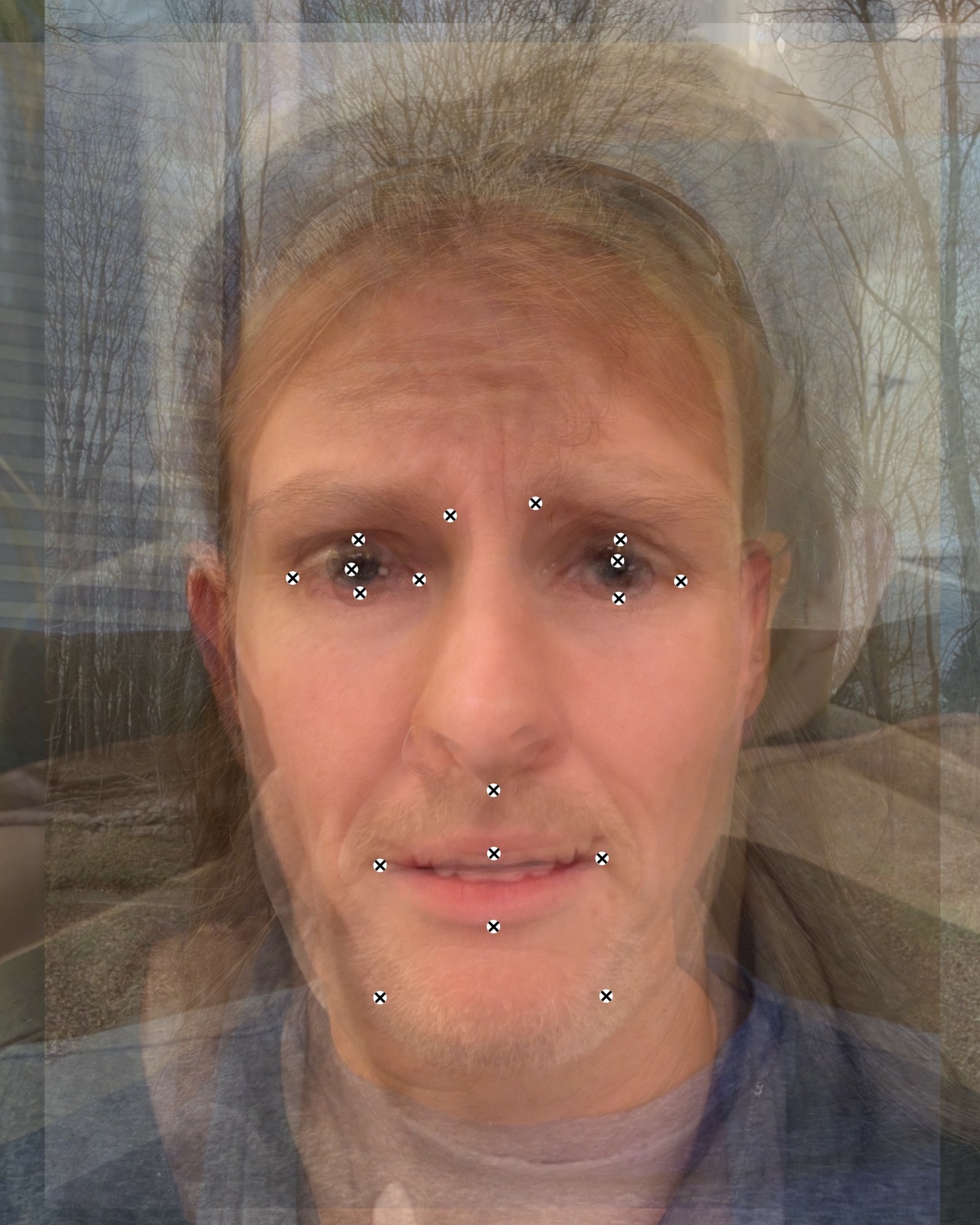 Fear
Fear Happiness
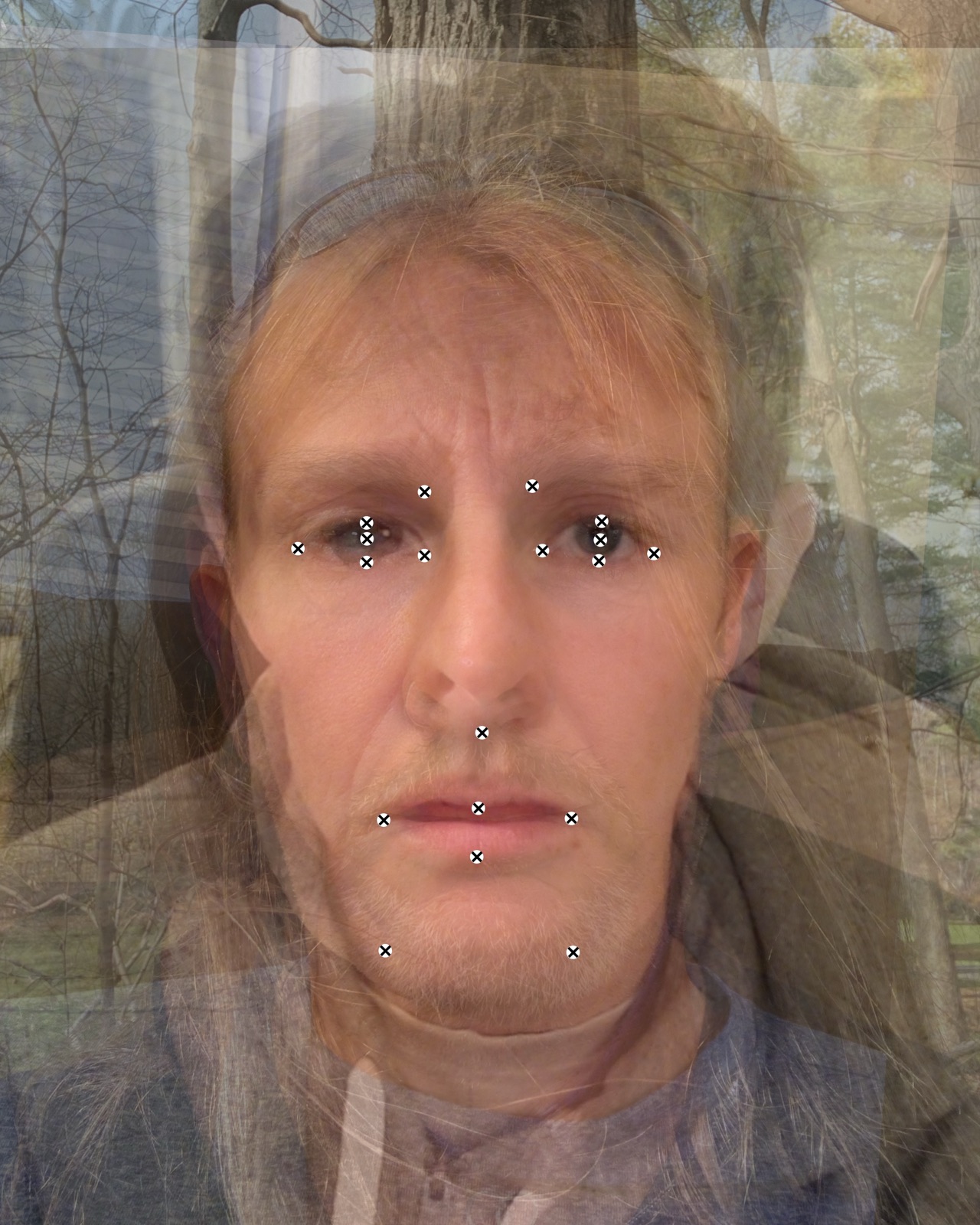 Sadness
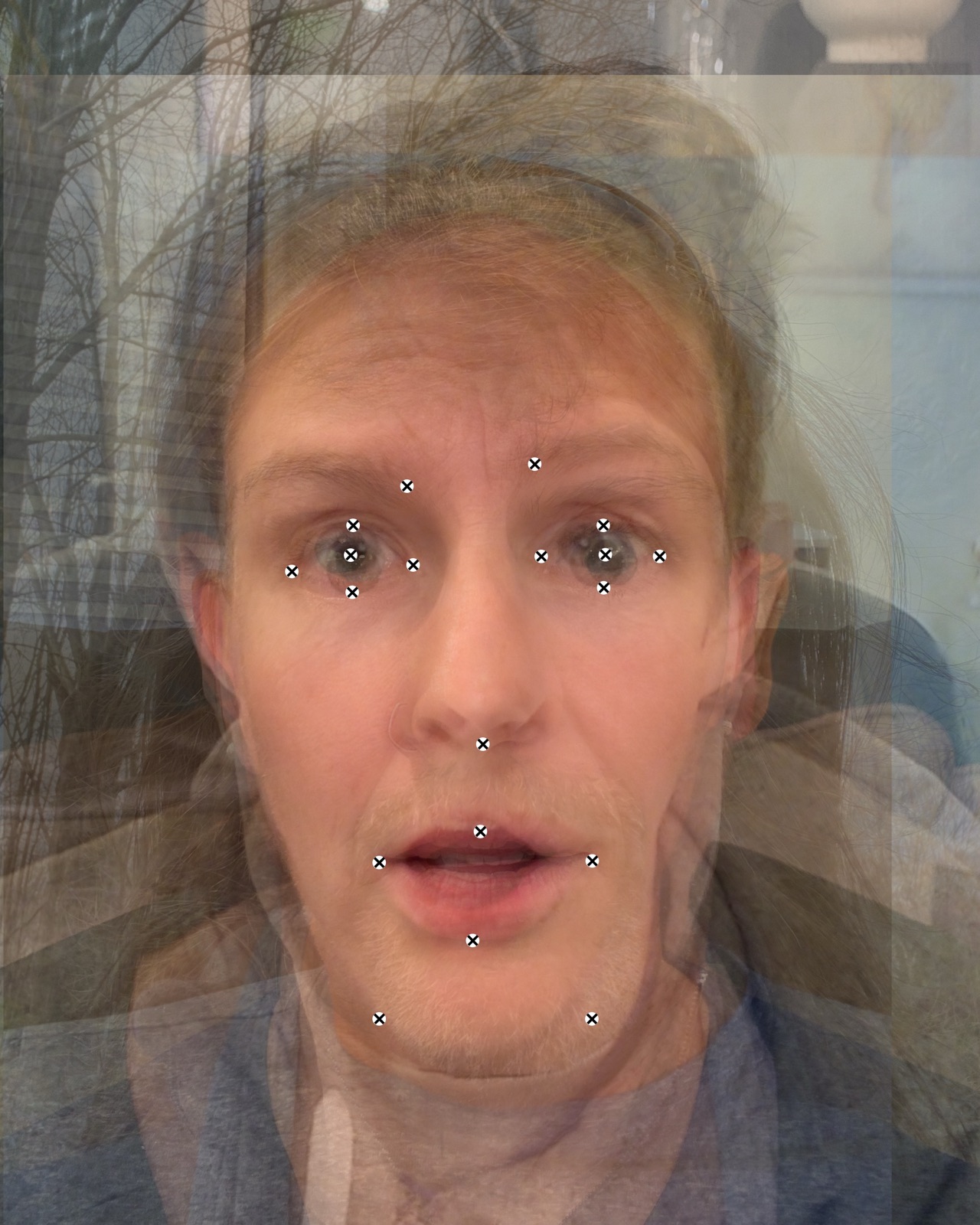 Surprise
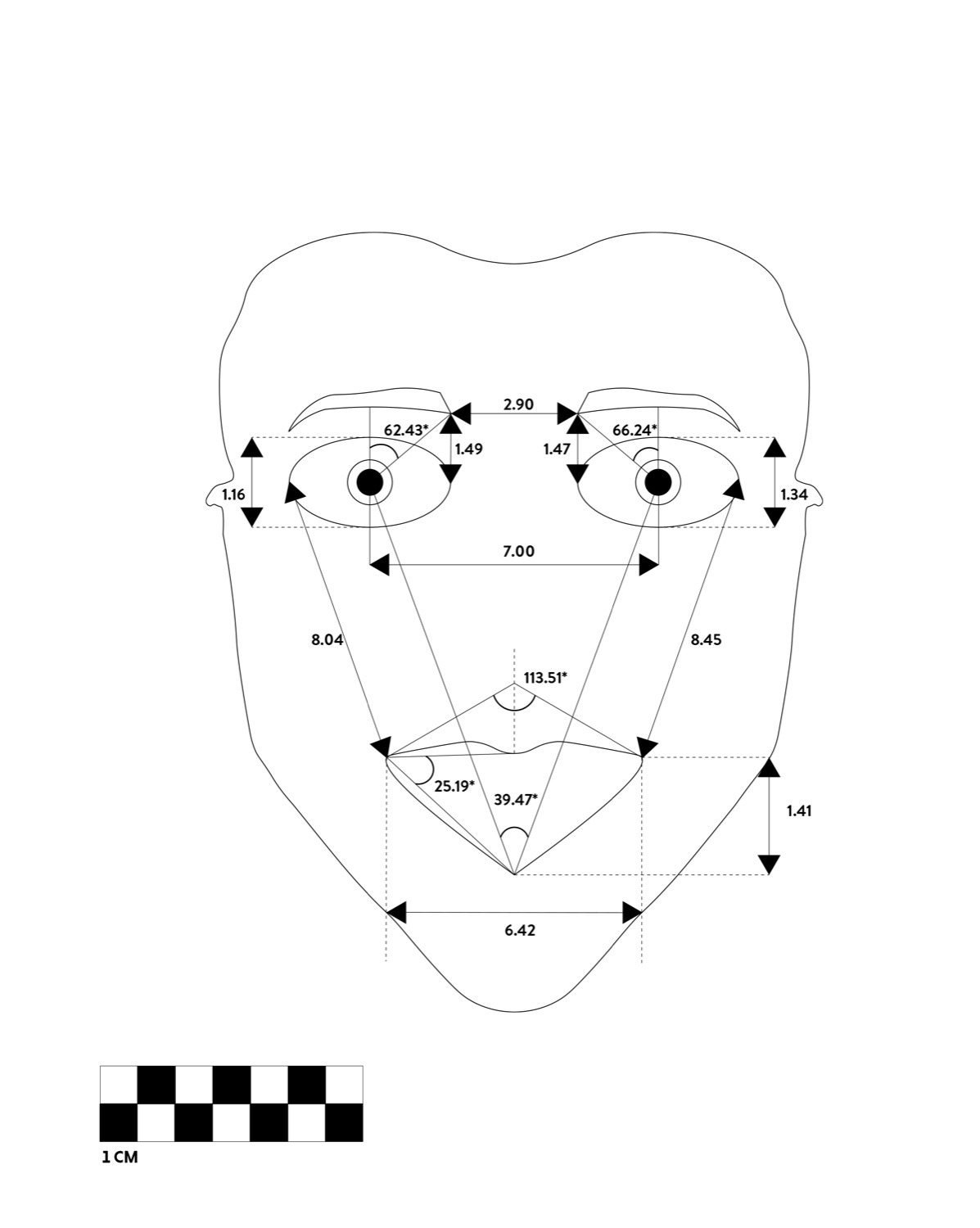 Anger
Anger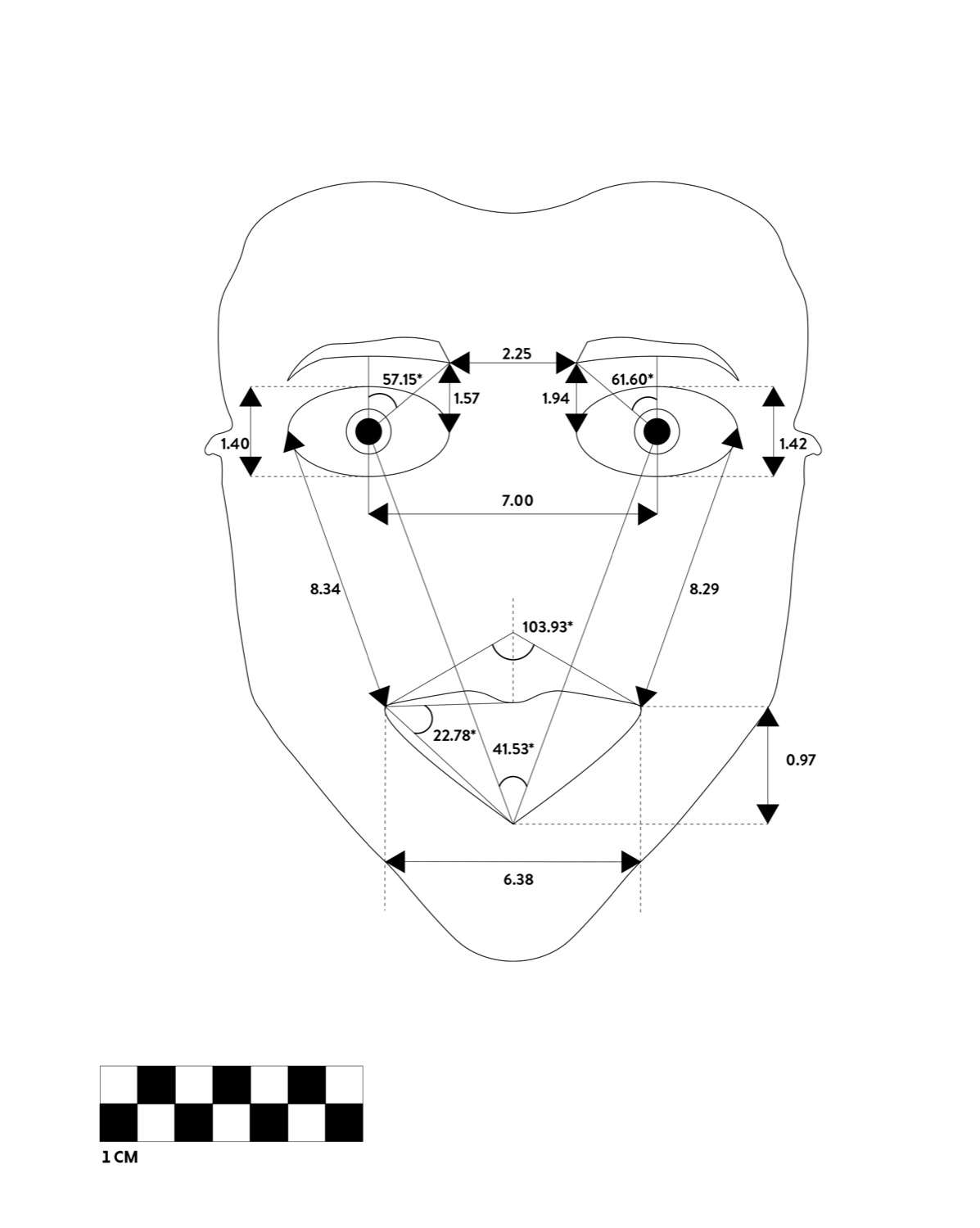 Disgust
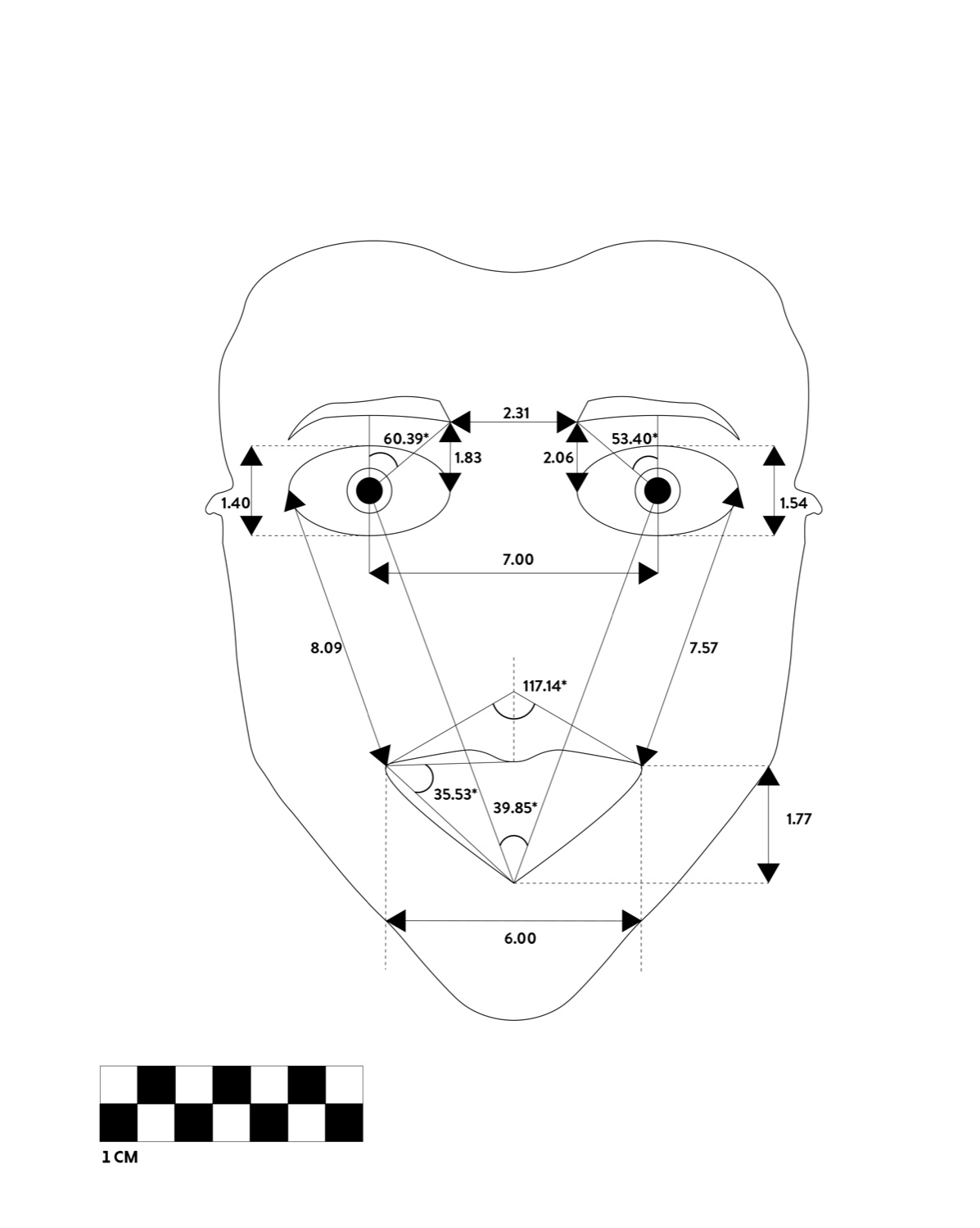 Fear
Fear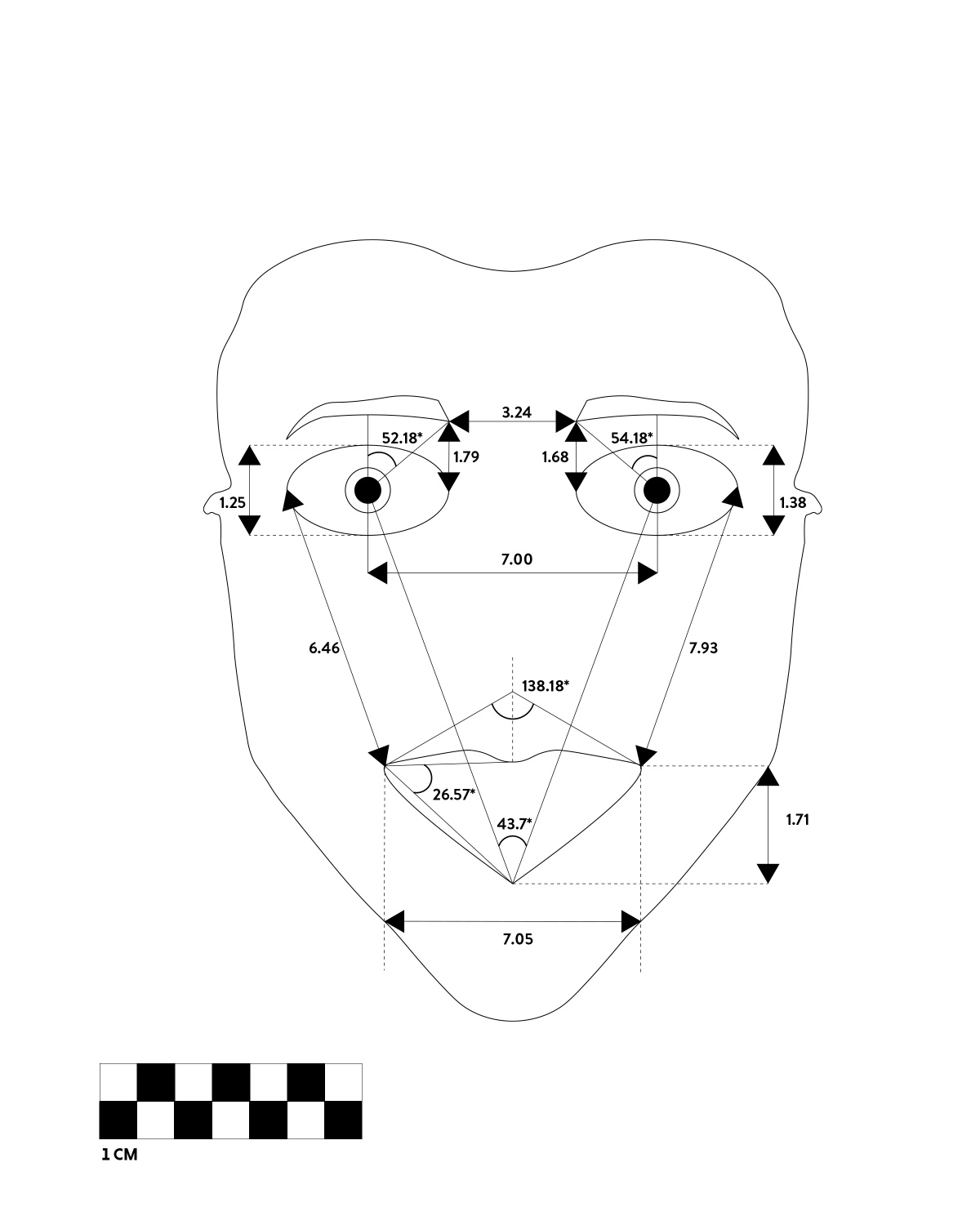 Happiness
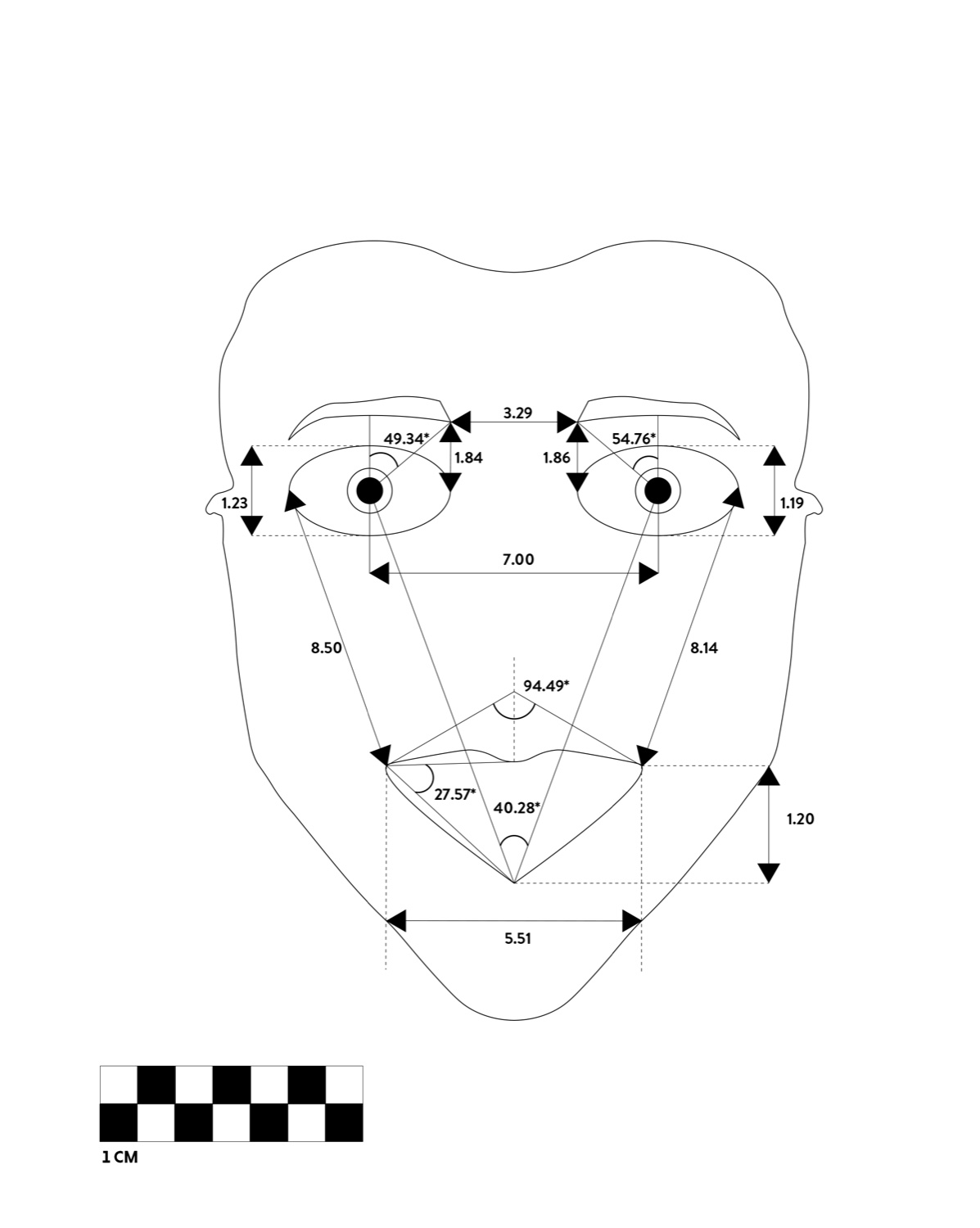 Sadness
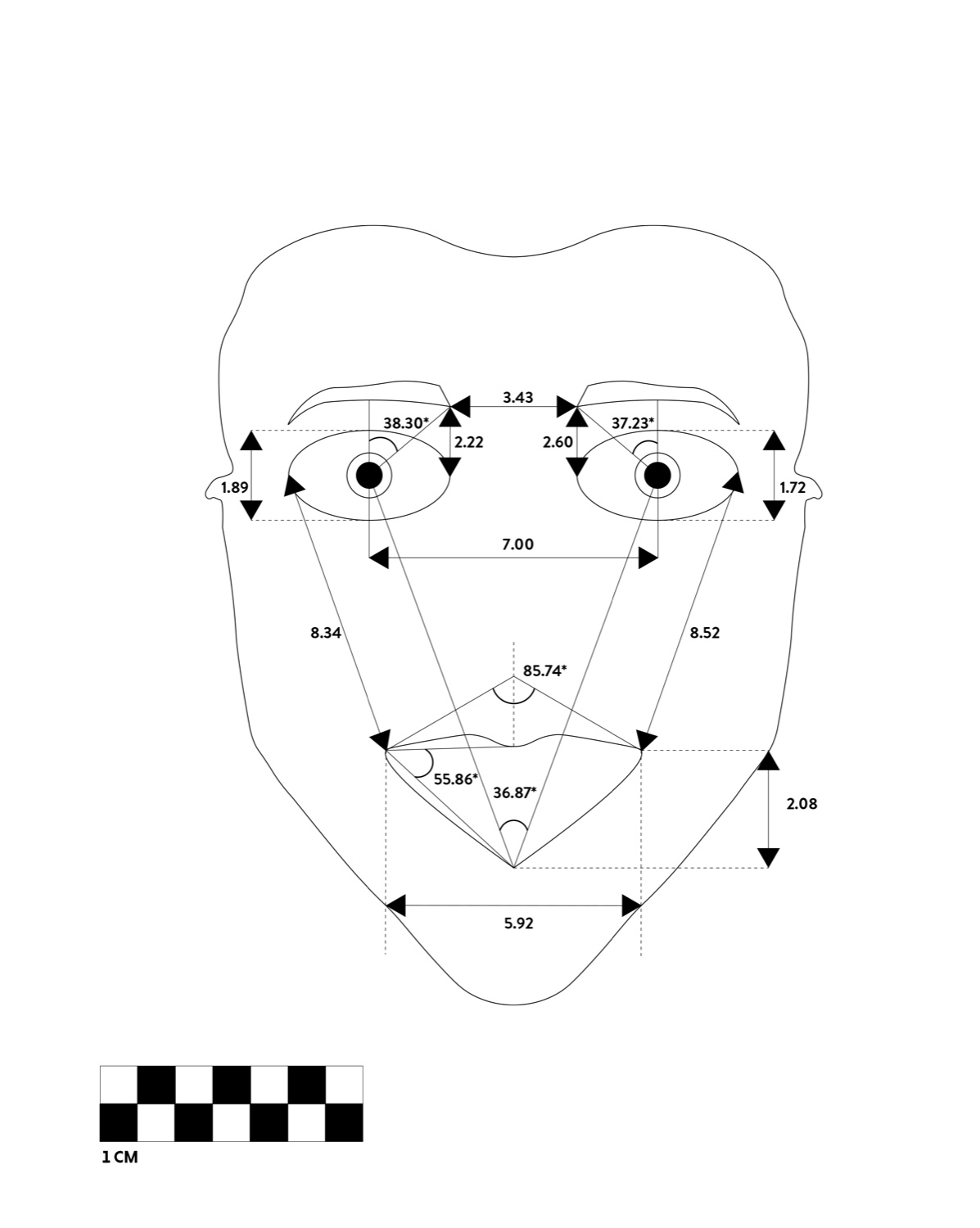 Surprise
The Work
Conducted independent research into emotion recognition, human-computer interaction, and digital communication during the COVID-19 pandemic.
Designed a series of interaction experiments exploring communication between people and AI systems, including mediated conversations using Siri and Alexa.
Captured and analysed facial expression data from twelve participants to create composite visualisations of six primary emotions.
Developed a real-time emotion recognition prototype using facial mesh tracking and Adobe After Effects.
Produced a motion graphics film combining facial composites, tracking overlays, and live demonstrations to communicate the research.
Impact
Supporting Materials
- Final Video: Emotion Recognition in Digital Interaction Film
- Facial Composite Study Study
- Process Documentation Archive